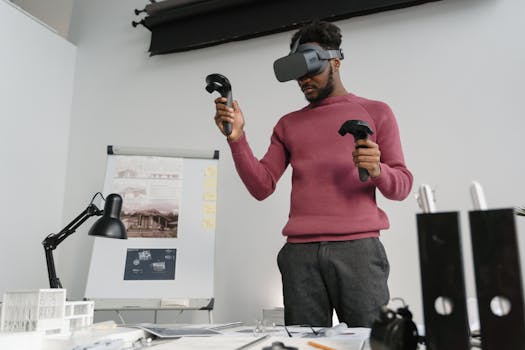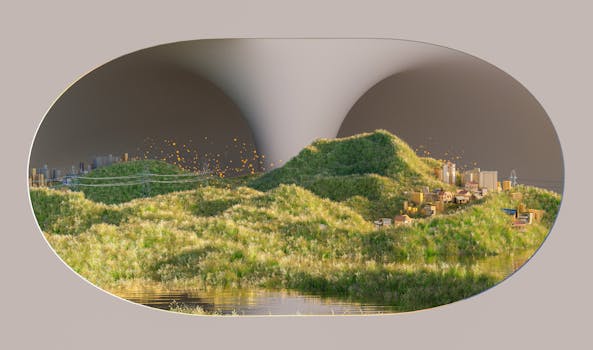
4D visualization in urban planning and development represents a significant leap forward in how cities are designed, constructed, and managed. By integrating the dimension of time with traditional 3D models, urban planners and developers can visualize the sequential aspects of construction activities and long-term urban transformations. This technology not only enhances project management and stakeholder communication but also plays a crucial role in advancing sustainable urban development.
What is 4D Visualization?
4D visualization extends traditional 3D models by incorporating time as a dynamic component. This means that besides seeing spatial arrangements in three dimensions, planners and developers can also observe how these arrangements change and develop over time. Such visualizations are typically achieved through sophisticated software that animates the construction process and simulates urban growth, providing a temporal perspective on static models.
.png)
Applications of 4D Visualization in Urban Planning
The applications of 4D visualization in urban planning are diverse and impactful:
- Project Planning and Management: This tool allows for detailed scheduling and sequencing of construction activities, helping project managers optimize processes and allocate resources efficiently.
- Stakeholder Communication: 4D models enhance the way project details are communicated to stakeholders, including investors, government officials, and the community, making it easier to visualize the end results and understand the project phases.
- Impact Analysis: Urban planners use 4D visualization to assess the impact of new developments on existing environments. This can include evaluating changes in traffic flow, environmental impacts, and the effect on local communities over time.
- Regulatory Approval: Enhanced visualization tools can facilitate the approval process by providing clearer, more detailed presentations of how projects comply with regulations and fit within their future contexts.
Benefits of 4D Visualization in Urban Development
The integration of 4D visualization in urban planning offers numerous benefits:
- Enhanced Accuracy and Precision: Planners can anticipate and mitigate potential issues in advance, reducing delays and cost overruns.
- Improved Decision-Making: More comprehensive data and visual insights lead to better-informed decisions regarding urban development strategies.
- Increased Efficiency: Early detection of potential problems helps in avoiding unnecessary work and facilitates smoother project execution.
- Enhanced Stakeholder Engagement: Interactive and engaging visual presentations make it easier for all parties involved to understand the project details and contribute effectively.
- Promotion of Sustainability: By predicting future outcomes, planners can ensure that developments are more sustainable and less disruptive to the environment.
Challenges and Future Prospects
Despite its advantages, the adoption of 4D visualization in urban planning faces challenges such as the high costs associated with advanced software and the training required to operate it. Additionally, integrating new technologies into established planning processes can be complex.
However, the future of 4D visualization is promising. Continued advancements in related technologies like AI, machine learning, and virtual reality are expected to enhance the capabilities of 4D models, making them more accurate, detailed, and user-friendly. As these technologies become more mainstream and accessible, they will likely become a standard practice in urban planning and development, driving further innovations in the field.
In sum, 4D visualization is a powerful tool that transforms the landscape of urban development. By allowing professionals to visualize the future of urban spaces in unprecedented ways, it supports more strategic planning, better communication, and more sustainable development practices. As we continue to embrace and refine this technology, its role in shaping dynamic and resilient urban environments will undoubtedly grow.