Redefining Interior Design with Digital Animation
The world of interior design is undergoing a transformation. For centuries, designers relied on sketches, physical models, and 2D renderings to communicate ideas and bring spaces to life. Today, digital animation is emerging as a groundbreaking tool, revolutionizing how clients, architects, and decorators envision and experience interiors. This new frontier blends creativity with technology—making interior spaces more interactive, immersive, and tailored than ever before. Let’s explore how digital animation is redefining the very essence of interior design.
From Static Renderings to Dynamic Experiences
Traditionally, interior designers presented their concepts through hand-drawn sketches or static computer renderings. While these visuals provided a glimpse into a designer’s vision, they often left much to the imagination. Digital animation changes this paradigm by adding life, movement, and interactivity to design presentations.
Animated walkthroughs, for example, allow clients to virtually "walk" through an unbuilt space, observing how light plays across a room at different times of day, or how furniture arrangements affect flow and function. According to a 2023 survey by the American Society of Interior Designers (ASID), 68% of firms now utilize animated presentations in their standard workflow, up from just 21% in 2018.
.png)
By moving beyond still images, digital animation creates a more accurate, emotional, and convincing experience—helping clients make informed decisions and feel truly connected to their future spaces.
Key Technologies Powering Animated Interior Design
The rise of digital animation in interior design is powered by several cutting-edge technologies. These innovations are making high-quality animations accessible to professionals and clients alike:
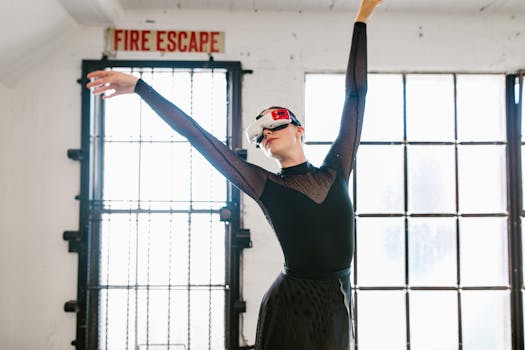
1. 3D Animation Software: Programs such as Autodesk 3ds Max, Blender, and SketchUp enable designers to build detailed 3D models and animate them with realistic textures, lighting, and materials. 2. Real-Time Rendering Engines: Tools like Unreal Engine and Unity allow for instant visualization and interactive animations, transforming static models into immersive experiences that update in real-time as changes are made. 3. Virtual Reality (VR): By combining digital animation with VR headsets, users can experience interiors in a fully immersive, 360-degree environment, creating a true sense of presence within a space. 4. Augmented Reality (AR): With AR apps, clients can overlay animated interior elements onto their current surroundings using smartphones or tablets, visualizing how new designs would integrate with existing spaces.According to Statista, the global market for 3D rendering and animation software is projected to reach $9.8 billion by 2026, reflecting the growing demand across architecture, real estate, and interior design.
Enhancing Client Collaboration and Decision-Making
One of the most significant impacts of digital animation is on the designer-client relationship. Interior design is deeply personal, and miscommunications can lead to costly revisions or dissatisfaction. Animated presentations help bridge the gap between concept and reality, fostering clearer communication and more confident decision-making.
For instance, consider a client deciding between several color schemes for their living room. Rather than viewing static swatches, they can watch an animated sequence showing how different palettes transform the mood of the space under various lighting conditions. According to a 2022 Houzz survey, 72% of clients reported higher satisfaction and a greater sense of involvement when designs were presented with digital animations.
Moreover, designers can quickly iterate on ideas and instantly show clients the impact of adjustments—such as changing furniture layouts, adding decorative elements, or altering architectural details. This agility saves time, reduces misunderstandings, and leads to more successful outcomes.
Applications Across Residential and Commercial Spaces
Digital animation is not confined to luxury homes or flagship commercial projects. Its applications span a diverse range of interiors, from modest apartments to sprawling retail environments. Here are a few examples:
- Residential Interiors: Homeowners can preview kitchen renovations, bathroom upgrades, or entire home makeovers with animated walkthroughs, ensuring the final result matches their expectations. - Hospitality & Retail: Hotels, restaurants, and stores use digital animation to simulate customer flows, optimize layouts, and test branding elements before committing to costly physical changes. - Office Spaces: Businesses can visualize open-plan offices, collaborative zones, and ergonomic workstations—helping attract talent and foster productivity. - Healthcare & Education: Hospitals and schools leverage animation to design patient-friendly rooms and engaging learning environments, improving user experience and well-being.A study by Grand View Research found that 57% of interior design firms in North America now offer animated presentations as a standard service, compared to only 33% in 2019.
Comparison: Traditional vs. Digital Animation in Interior Design
To illustrate the transformative impact of digital animation, consider the following comparison between traditional visualization methods and modern animated tools:
| Aspect | Traditional Visualization | Digital Animation |
|---|---|---|
| Presentation Style | Static images, hand sketches, 2D plans | Animated walkthroughs, interactive 3D, virtual tours |
| Client Engagement | Limited; relies on imagination | High; immersive and interactive |
| Design Iteration | Time-consuming, manual updates | Quick, real-time changes |
| Accuracy | Prone to misinterpretation | Highly realistic, detailed |
| Project Approval Time | Average 6-8 weeks | Average 3-4 weeks |
| Cost Efficiency | Higher risk of costly revisions | Reduced errors, fewer revisions |
Driving Sustainability and Future Innovation
Beyond aesthetics and communication, digital animation plays a vital role in sustainable interior design. By simulating everything from energy-efficient lighting scenarios to the lifecycle of materials, designers can make informed choices that reduce environmental impact.
For example, animated simulations can show how natural daylight will illuminate a space throughout the year, helping optimize window placement and minimize reliance on artificial lighting. This not only enhances comfort but also contributes to lower energy bills and carbon footprints.
Looking ahead, the integration of artificial intelligence (AI) promises to push digital animation even further. AI-driven algorithms can automatically generate multiple design options based on user preferences, budget constraints, or environmental goals—dramatically accelerating the creative process.
According to McKinsey, firms that adopt digital and AI-powered design tools report an average 20% reduction in project timelines and up to 15% cost savings.
Overcoming Challenges: Accessibility and Learning Curves
While digital animation offers immense benefits, it's not without challenges. Some design professionals may face steep learning curves when transitioning from traditional methods to advanced animation software. Additionally, the cost of high-end hardware and licenses can be prohibitive for smaller firms or independent designers.
However, the landscape is rapidly changing. User-friendly platforms, cloud-based services, and affordable subscription models are democratizing access to digital tools. Online courses, tutorials, and community forums support continuous learning, empowering designers of all backgrounds to harness the power of animation.
Furthermore, as clients become more tech-savvy, demand for animated presentations is likely to grow—making digital animation not just an advantage, but a necessity for forward-thinking interior design practices.
Conclusion
Digital animation is redefining interior design, turning static blueprints into dynamic, experiential journeys. By leveraging animation, designers can communicate ideas more vividly, foster deeper client collaboration, and deliver spaces that truly resonate with their users. From homes and offices to hotels and hospitals, the shift toward animated visualization is making interiors more beautiful, functional, and sustainable. As technology continues to evolve, one thing is clear: the future of interior design will be animated, immersive, and limited only by our imagination.