3D Modeling: The New Normal for Product Design
The world of product design is evolving at breakneck speed, and at the heart of this transformation is 3D modeling. Gone are the days when 2D sketches and physical prototypes dominated the product development cycle. Today, 3D modeling has become the industry standard, enabling designers, engineers, and businesses to visualize, iterate, and perfect products long before they reach physical form. This digital revolution is not just a trend—it’s the new normal, reshaping how ideas turn into market-ready products across industries.
From the smartphones in our pockets to the vehicles we drive and the furniture in our homes, 3D modeling is quietly, yet profoundly, shaping our everyday experiences. In this article, we’ll explore how 3D modeling is redefining product design, the key technologies driving this shift, the measurable benefits, and how businesses can harness this powerful tool to stay ahead. Whether you’re a designer, an entrepreneur, or simply curious about the future of innovation, understanding the new role of 3D modeling in product design is essential.
The Evolution of Product Design: From Sketches to Digital Models
Product design has always been about turning concepts into reality. Traditionally, this meant starting with hand-drawn sketches, followed by building physical prototypes—a process that could take months or even years. Not only was this approach time-consuming, but it was also costly and prone to errors. A single design flaw discovered late in the process could send a product back to the drawing board, adding significant delays and expenses.
.png)
The advent of computer-aided design (CAD) in the 1980s marked a pivotal shift. Designers could now create precise digital drawings, but early CAD tools were limited to 2D representations. The real game-changer arrived with 3D modeling in the late 1990s and early 2000s. Suddenly, designers could build and manipulate virtual products in three dimensions, unlocking new possibilities for creativity, collaboration, and accuracy.
Today’s 3D modeling tools—like Autodesk Fusion 360, SolidWorks, and Blender—offer powerful capabilities. These platforms allow designers to simulate materials, test mechanical functions, and even visualize how products will look in real-world settings. According to a 2023 survey by Statista, over 87% of product design firms worldwide now use some form of 3D modeling software as a core part of their workflow.
How 3D Modeling Streamlines the Design Process
The adoption of 3D modeling has fundamentally changed how products are designed and developed. Here are some specific ways that 3D modeling streamlines the process:
1. Rapid Prototyping and Iteration With 3D modeling, designers can quickly create and modify digital prototypes. Changes that would have required days of manual labor with physical models can now be implemented in minutes. According to PTC’s 2022 Product Design Report, digital prototyping can reduce the time-to-market by up to 50%. 2. Enhanced Collaboration 3D models are easily shared across teams, even across continents. Designers, engineers, marketers, and manufacturers can all view, comment on, and make suggestions using the same digital files. Cloud-based 3D modeling tools further enhance real-time collaboration, eliminating version control issues and reducing miscommunication. 3. Improved Accuracy and Error Reduction A 3D model provides a comprehensive view of a product, allowing teams to spot design flaws or potential manufacturing issues early. The American Society of Mechanical Engineers (ASME) reports that 3D modeling reduces errors in the design-to-manufacturing process by 30% compared to traditional methods. 4. Cost Savings Fewer physical prototypes mean lower material costs. Additionally, because errors are caught early, there are fewer costly mistakes downstream. A 2021 Deloitte study found that companies using 3D modeling in product design save on average 20-30% in development costs compared to those relying solely on traditional methods.Key Technologies Powering 3D Modeling in Product Design
The surge in 3D modeling adoption is driven by advances in both software and hardware. Here’s a closer look at the technologies making 3D modeling the new normal:
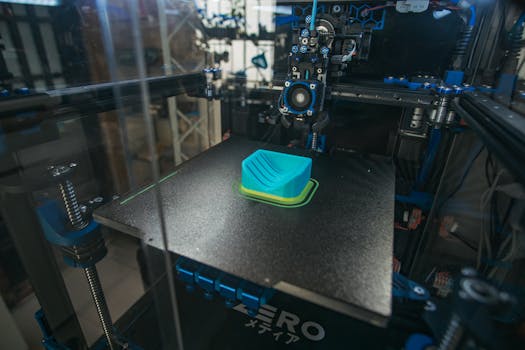
1. Advanced CAD and Simulation Tools Modern CAD programs now integrate simulation and analysis features, allowing designers to test stress, heat, motion, and other physical forces within the software. Tools like Siemens NX and Autodesk Inventor offer built-in simulation, reducing the need for separate testing programs. 2. 3D Scanning and Reverse Engineering Handheld 3D scanners can capture precise measurements of existing objects, which can then be imported into modeling software for modification or replication. This is especially useful in industries like automotive and aerospace, where legacy parts may lack digital blueprints. 3. Virtual and Augmented Reality (VR/AR) Designers can now step inside their 3D models using VR headsets, gaining immersive perspectives on scale, form, and ergonomics. AR applications enable teams to project digital prototypes onto real-world environments, aiding in client presentations and usability testing. 4. Integration with Additive Manufacturing (3D Printing) 3D models can be sent directly to 3D printers, turning digital designs into physical objects with unprecedented speed. This tight integration is fueling innovation in custom products, medical devices, and consumer goods.Industry Applications: Real-World Impact of 3D Modeling
The influence of 3D modeling goes far beyond the design studio. Here are some industries where 3D modeling has become indispensable:
1. Automotive Major automakers like Ford and BMW rely on 3D modeling for everything from concept cars to production models. According to Ford, the company reduced prototyping costs by 70% and development time by 25% after adopting advanced 3D modeling and simulation tools. 2. Consumer Electronics Companies such as Apple and Samsung use 3D modeling to perfect the ergonomics and aesthetics of their devices. The ability to simulate materials and lighting helps designers make critical decisions about look and feel before manufacturing. 3. Medical Devices 3D modeling enables the creation of custom implants, prosthetics, and surgical tools. In 2022, the global market for 3D-printed medical devices reached $2.8 billion, a figure projected to double by 2026, according to MarketsandMarkets. 4. Furniture and Industrial Design Brands like IKEA use 3D modeling to test furniture strength, optimize assembly instructions, and even create photorealistic marketing visuals. This reduces waste and ensures products are ready for global distribution.Comparing Traditional vs. 3D Modeling in Product Design
To better understand the advantages of 3D modeling, let’s compare the key aspects of traditional product design and modern 3D modeling-based approaches:
| Aspect | Traditional Design | 3D Modeling-Based Design |
|---|---|---|
| Prototyping Time | 4-8 weeks per iteration | 1-2 days per iteration |
| Development Cost | High (multiple physical prototypes needed) | Lower (digital prototypes, fewer physical models) |
| Error Detection | Late-stage (after physical model is made) | Early-stage (in digital model, before production) |
| Collaboration | Challenging (physical models, manual updates) | Seamless (cloud-based sharing, real-time editing) |
| Customization | Limited (costly and time-consuming) | Easy (models can be quickly adjusted) |
| Time-to-Market | 6-18 months | 3-9 months |
As the table shows, 3D modeling brings significant improvements in speed, cost, error reduction, and flexibility—factors that are critical in today’s fast-moving markets.
Challenges and the Future of 3D Modeling in Product Design
While the benefits are clear, transitioning to 3D modeling is not without challenges. The learning curve for advanced software can be steep, requiring significant investment in training. Some small businesses may find the upfront costs of software licenses and hardware upgrades daunting. Data security and intellectual property protection are also concerns, especially as cloud-based collaboration becomes more common.
However, the future looks bright. Artificial intelligence is beginning to automate repetitive modeling tasks, while machine learning can suggest design optimizations based on vast libraries of prior projects. Open-source modeling tools and subscription-based software models are making 3D modeling more accessible than ever. As digital twins and Industry 4.0 innovations take hold, the integration of 3D models with smart manufacturing and real-time data will only deepen.
According to Grand View Research, the global 3D modeling market is expected to reach $9.8 billion by 2027, demonstrating the surging demand for these tools across industries.
Why 3D Modeling Is Here to Stay in Product Design
3D modeling has moved beyond being a cutting-edge novelty—it’s now the gold standard in product design. It empowers teams to innovate faster, collaborate better, and deliver superior products while reducing costs and risks. As digital tools continue to advance, the barriers to entry are falling, making 3D modeling accessible to businesses of all sizes.
For companies aiming to stay competitive, adopting 3D modeling is no longer optional. It's a crucial step toward agile, customer-focused product development. The future of design will be shaped not on paper, but in immersive, interactive digital spaces—making 3D modeling the new normal for product design.