The Evolution of Toy Manufacturing: The Game-Changing Role of 3D Modeling
When you walk down the aisles of a toy store or browse online for the latest action figures, dolls, or educational kits, you’re witnessing the results of a technological revolution that has transformed the way toys are conceived, designed, and produced. Central to this shift is 3D modeling—a digital process that has upended traditional toy manufacturing by introducing unprecedented speed, precision, and creativity. Once a niche tool for industrial designers or animators, 3D modeling is now at the heart of the toy industry, influencing not only how toys are created but also how manufacturers respond to trends, customize products, and reduce time-to-market.
This article explores how 3D modeling has become an indispensable asset in toy manufacturing, detailing its influence on every stage from design and prototyping to production and customization. Whether you’re a parent, a collector, or simply curious about how your favorite toys come to life, read on to discover how digital innovation is shaping the future of play.
The Shift from Handcrafting to Digital Design in Toy Manufacturing
Before the introduction of 3D modeling, toy design was a labor-intensive process. Artists and engineers would collaborate to sketch, sculpt, and refine new toys by hand—a method that was both time-consuming and expensive. In the 1980s and 1990s, it was not uncommon for the development of a new toy to take over a year from concept to shelf. Physical prototypes had to be carved from clay or wax, and modifications required starting over from scratch.
.png)
The advent of 3D modeling software, such as Autodesk Maya, Blender, and SolidWorks, has drastically reduced these limitations. Today, designers can create highly detailed virtual models of toys in a matter of days. These models can be rotated, resized, and altered with just a few clicks, allowing for rapid iteration and improvement. According to a 2022 report by Grand View Research, the global 3D modeling market in manufacturing—including toys—was valued at $4.4 billion and is expected to grow at a compound annual growth rate (CAGR) of 17.2% from 2023 to 2030.
This digital revolution means that toy companies can respond more quickly to market trends, minimize development costs, and bring innovative products to consumers faster than ever before.
Accelerating Prototyping and Testing with 3D Modeling
One of the most significant impacts of 3D modeling in toy manufacturing is its ability to streamline prototyping. Traditionally, building a prototype involved weeks or months of sculpting, molding, and manual assembly. Mistakes or design changes required starting anew, often leading to costly delays.
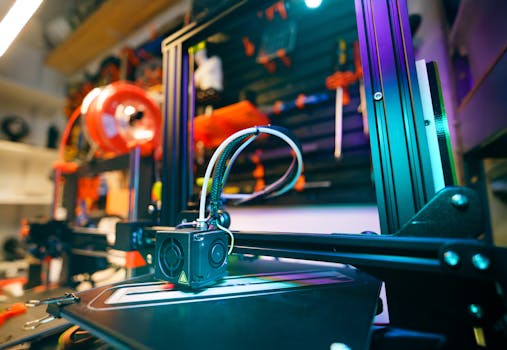
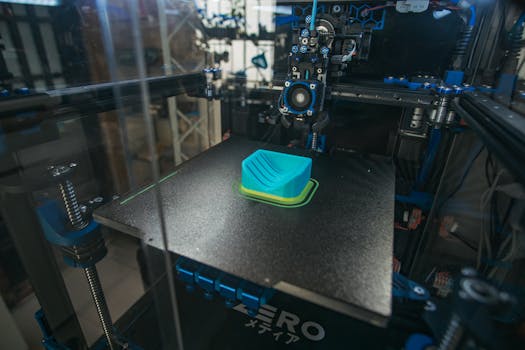
With 3D modeling, digital prototypes can be created, tested, and refined on a computer before any physical materials are used. Designers can simulate how a toy will move, assemble, or interact with other parts, identifying problems early in the process. Once the digital model is finalized, 3D printing technology can produce a tangible prototype in a matter of hours.
This combination of virtual modeling and rapid prototyping has slashed the typical toy development cycle. For example, Hasbro reported in 2021 that integrating 3D modeling and 3D printing into their workflow reduced prototyping time by up to 50%. This efficiency allows companies to experiment with bolder ideas and bring more diverse products to market.
Enhancing Customization and Personalization
Modern consumers crave uniqueness, and nowhere is this more evident than in the toy industry. 3D modeling has opened the door to unprecedented levels of customization, enabling manufacturers to offer personalized toys at scale.
Companies like LEGO and Mattel now offer online platforms where customers can design their own mini-figures, accessories, or toy vehicles using intuitive 3D modeling tools. Once a design is submitted, the company uses the digital file to produce the custom toy, often through a combination of 3D printing and traditional molding techniques.
This trend is especially prevalent in the collectible toy market. In 2023, Funko launched a “Pop! Yourself” customization program, using 3D modeling to allow fans to design figurines in their own likeness. According to a 2023 survey by Toy Association, 61% of parents expressed interest in purchasing personalized toys for their children, and 3D modeling is the technology making this possible.
Reducing Material Waste and Environmental Impact
Sustainability is a growing concern in toy manufacturing, with millions of tons of plastic waste entering landfills each year. 3D modeling contributes to greener production in several ways:
1. $1: Digital models allow for exact calculations of material needs, reducing excess waste during manufacturing. 2. $1: Rapid digital prototyping means fewer physical prototypes are needed, resulting in less discarded material. 3. $1: 3D modeling supports “print-to-order” systems, which minimize overproduction and unsold inventory.A 2021 study by the Ellen MacArthur Foundation found that companies using digital modeling and 3D printing reduced their material waste by up to 30% compared to traditional methods. This aligns with broader industry goals to make toy manufacturing more eco-friendly and efficient.
Comparing Traditional vs. 3D Modeled Toy Manufacturing
To illustrate the transformative role of 3D modeling, consider this side-by-side comparison of key factors in traditional and digital toy manufacturing:
| Factor | Traditional Manufacturing | 3D Modeled Manufacturing |
|---|---|---|
| Design Time | 3-12 months | 2-8 weeks |
| Prototyping Cost | $5,000 - $20,000 per prototype | $500 - $2,000 per prototype |
| Customization | Minimal, expensive | Highly flexible, cost-effective |
| Material Waste | High | Low |
| Time-to-Market | 12-24 months | 4-10 months |
These numbers highlight the dramatic gains in efficiency, cost savings, and environmental performance thanks to 3D modeling.
Improving Safety and Compliance Through Digital Simulation
Safety is paramount in toy manufacturing, with strict regulations governing everything from choking hazards to chemical content. 3D modeling enhances safety in several critical ways:
- $1: Digital models can be subjected to simulated stress tests, drop tests, and wear analyses, highlighting weak points or potential hazards before physical production. - $1: Many 3D modeling programs incorporate libraries of international safety standards, ensuring that designs adhere to legal requirements from the outset. - $1: If a model fails a virtual safety check, it can be quickly adjusted and retested, all without the expense of building new physical prototypes.For example, Spin Master, a leading toy company, reported in 2022 that integrating digital simulation into their workflow reduced product recalls by 18% year-over-year.
The Future: AI and Advanced 3D Modeling in Toy Manufacturing
While 3D modeling has already revolutionized toy manufacturing, the next frontier is the integration of artificial intelligence (AI) and machine learning. These technologies are beginning to automate parts of the design process, suggest improvements, and even predict consumer trends.
- $1: Software can now analyze previous toy designs and recommend modifications for better playability or lower production cost. - $1: Predictive modeling helps companies anticipate which types of toys will be popular, reducing the risk of overproduction. - $1: Some manufacturers are using 3D modeling to create toys that interact with AR apps, adding a digital dimension to traditional play.As these tools become more sophisticated, we can expect the toy industry to deliver even more innovative, personalized, and sustainable products.
Why 3D Modeling is Essential to Modern Toy Manufacturing
The impact of 3D modeling on toy manufacturing is profound and multifaceted. It has democratized the design process, enabling rapid prototyping and mass customization that were unimaginable just a decade ago. By reducing costs, accelerating time-to-market, and supporting sustainability, 3D modeling not only benefits manufacturers but also consumers—who enjoy a wider variety of safer, more innovative, and personalized toys.
As technology continues to evolve, the synergy between 3D modeling, AI, and digital manufacturing will further reshape the landscape of play, turning creative ideas into tangible products with greater efficiency and flexibility than ever before.