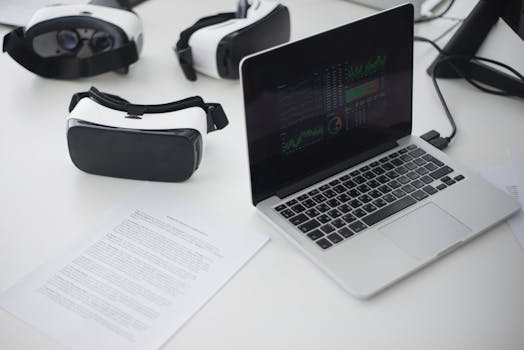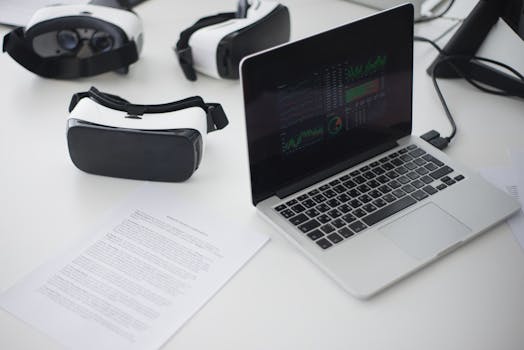
In the rapidly evolving landscape of design and technology, the implementation of 4D visualization in interactive design stands out as a game-changing development. This technology, which incorporates time as an additional dimension to traditional 3D visualizations, significantly enhances user interaction and offers designers unparalleled control over their projects, fostering more dynamic and responsive designs.
Key Benefits of 4D Visualization in Interactive Design
Enhanced User Engagement
.png)
4D visualization elevates user engagement by transforming passive viewers into active participants. This dynamic is particularly evident as users interact with time-influenced environments, such as experiencing varying lighting conditions in a virtual building walkthrough or encountering changing weather patterns in a video game. Such interactions ensure that user interest remains high throughout the experience.
Improved Design Accuracy and Efficiency
Architects, urban planners, and designers benefit greatly from 4D visualization. It enables the simulation of how projects will evolve over time, considering factors like sunlight exposure, weather conditions, and natural aging. This foresight is invaluable, allowing for early adjustments in the design phase, which can reduce the need for costly future modifications.
Enhanced Communication of Complex Ideas
4D visualization excels in simplifying the communication of complex projects. By showing how a project develops over time, stakeholders gain a deeper understanding of its functionalities, not just its aesthetics. This is incredibly useful in sectors like product design, where demonstrating a product’s operation under various scenarios can clarify its utility and performance to clients.
Advanced Problem-Solving Capabilities
Interactive design frequently requires intricate problem-solving, and 4D visualization provides a powerful tool for anticipating and addressing potential design challenges. By simulating real-world performance, designers can identify and rectify issues before they escalate, leading to more innovative and effective solutions.
Facilitation of Enhanced Learning and Training
In educational settings, 4D visualization offers a transformative approach to training and learning. For instance, medical students can benefit from 4D simulations that depict human anatomy in vivid detail over time, thereby enhancing comprehension and retention of complex biological processes.
Effective Marketing and Sales Tool
4D visualization also serves as an impactful marketing and sales tool. Real estate developers, for example, can utilize time-lapse visualizations to illustrate a property’s appeal through different seasons or times of day, making it easier for potential buyers to understand the value of an investment.
Challenges and Considerations
Despite its numerous advantages, 4D visualization is not without challenges. The technology demands substantial computational resources and a high level of expertise, potentially placing it beyond the reach of smaller firms or individual practitioners. Additionally, the complexity of creating accurate 4D simulations entails a significant learning curve.
Conclusion
The integration of 4D visualization into interactive design marks a significant step forward in how designers conceptualize and implement their visions. By enabling the simulation of time within a 3D space, it opens up innovative avenues for creativity, problem-solving, and user engagement. As technological capabilities continue to expand, the scope and impact of 4D visualization are poised to increase, further solidifying its role as a critical tool in the design process. Whether it’s through enhancing user engagement, streamlining design processes, or solving complex challenges, 4D visualization adds a vital dimension to creative endeavors in various industries.