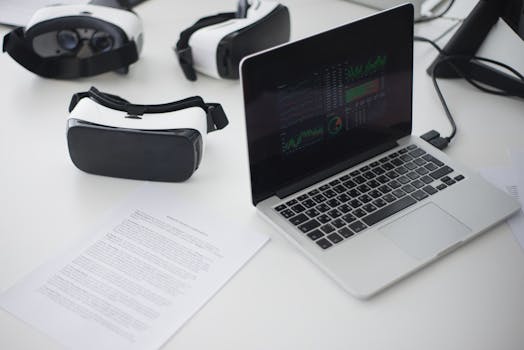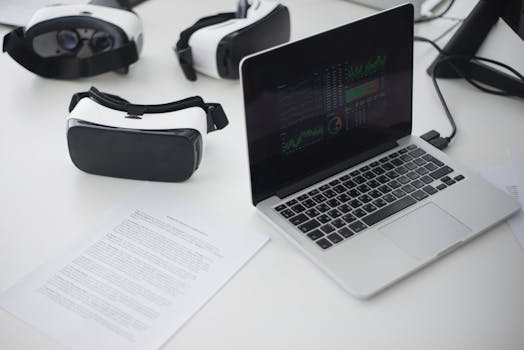
4D visualization is revolutionizing data analysis by integrating the dimension of time with three-dimensional data, offering a dynamic and insightful perspective into complex datasets. This advanced visualization technique is particularly valuable in fields where patterns and changes over time are critical, including meteorology, healthcare, urban planning, and manufacturing.
Understanding 4D Visualization
4D visualization is not just about viewing data but interacting with it in a way that reveals trends, patterns, and future predictions that would be challenging to discern from static models. By adding time as a fourth dimension, this method allows for the observation of how data evolves and reacts over time, providing a richer, more textured understanding of the material at hand.
.png)
Key Applications of 4D Visualization
- Meteorology: Meteorologists utilize 4D visualization to model and predict weather changes, enhancing accuracy and preparedness for weather-related events.
- Healthcare: This technology plays a crucial role in medical imaging by tracking disease progression or treatment responses over time, offering detailed insights into patient care and treatment pathways.
- Urban Planning: Planners and developers simulate changes in urban environments, assessing everything from population growth to environmental impacts, which supports more informed and sustainable decisions.
- Manufacturing: In manufacturing, 4D visualization aids in monitoring processes and predicting potential faults in production lines, thus optimizing operations and reducing costs.
Advantages of 4D Visualization
The transition from static images to dynamic, time-based visualizations offers numerous benefits:
- Enhanced Predictive Analytics: Incorporating time allows analysts to forecast future trends based on historical data.
- Improved Data Communication: Complex datasets can be more easily understood by stakeholders at all levels, facilitating better-informed decision-making.
- Increased Efficiency: Faster and more effective data exploration and model validation are possible with dynamic visualization tools.
- Effective Planning and Forecasting: Better insights lead to more accurate planning and resource allocation.
Challenges and Future Prospects
Despite its benefits, 4D visualization faces challenges such as the need for powerful computing resources to handle large data volumes and complex software that can be difficult to master. However, as computational technologies advance, these challenges are becoming less prohibitive. The future of 4D visualization looks promising, with potential for broader adoption and more innovative applications across various sectors.
Conclusion
4D visualization is a powerful tool in modern data analysis, providing a temporal depth to traditional 3D models that unveils more detailed and actionable insights. Its ability to help users not only see but interact with data as it unfolds over time is transforming decision-making processes across industries. As data continues to grow in complexity and volume, the role of 4D visualization in making sense of this information will only increase, highlighting its importance in both current and future analytical landscapes.