The fashion industry is on the brink of a transformative era with the integration of 4D visualization technology. This cutting-edge tool is reshaping the way designers approach garment creation and how consumers engage with fashion, offering a new dimension of interactive and realistic visualization.
What is 4D Visualization?
4D visualization extends traditional 3D imaging by incorporating time as the fourth dimension. In fashion, this technology simulates how garments behave on different body types and under various conditions over time. Utilizing sophisticated computer graphics and data analytics, 4D visualization creates near-lifelike simulations of clothing that respond dynamically to movements and environmental changes.
.png)
Benefits in Design and Production
Enhanced Design Flexibility
Designers can leverage 4D visualization to experiment with textures, colors, and dynamics of garments without the need for physical samples. This not only accelerates the design process but also pushes the boundaries of creativity and innovation.
Improved Accuracy and Inclusivity
The technology enables precise adjustments on virtual models that vary in shape and size, promoting inclusivity and ensuring garments are flattering across a diverse customer base. This precision helps in reducing the number of iterations needed to perfect a design, saving time and resources.
Enhancing Consumer Experience
Virtual Fitting Rooms
One of the most significant impacts of 4D visualization is on the consumer end, particularly in online shopping. Virtual try-ons powered by this technology allow customers to see how clothes fit and move on an avatar that matches their measurements, significantly enhancing confidence in online purchases.
Customization and Interaction
This technology also introduces a level of interaction and customization previously unavailable. Shoppers can alter garment colors and patterns in real-time, offering a personalized shopping experience that encourages consumer involvement and satisfaction.
Sustainability Impact
Reduction in Waste
By minimizing the reliance on physical samples, 4D visualization significantly reduces waste, supporting more sustainable production practices within the fashion industry. This shift not only helps brands meet environmental standards but also appeals to the eco-conscious consumer.
Encouraging Conscious Consumption
Improved fit and customization options mean that consumers are more likely to be satisfied with their purchases, potentially reducing the frequency of shopping by extending the life and relevance of each garment.
Challenges and Future Directions
Despite its potential, the adoption of 4D visualization technology faces hurdles such as the high cost of implementation and the steep learning curve associated with mastering the software. Additionally, the tactile qualities of materials cannot yet be fully replicated digitally, which can detract from the overall user experience.
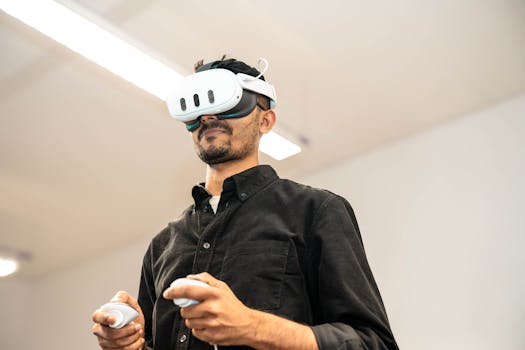
However, ongoing advancements in technology are likely to address these issues over time. The future of 4D visualization in fashion looks promising, with potential integrations with augmented reality (AR) and virtual reality (VR) poised to further enhance the realism and appeal of virtual try-ons.
Conclusion
The advent of 4D visualization technology marks a significant milestone in the fashion industry. By improving the design process, elevating the consumer experience, and promoting sustainable practices, this technology is poised to revolutionize the way we interact with fashion. As we advance, the seamless integration of digital innovation in fashion will continue to enhance, disrupt, and redefine industry standards, making it an exciting time for designers, consumers, and entrepreneurs alike.