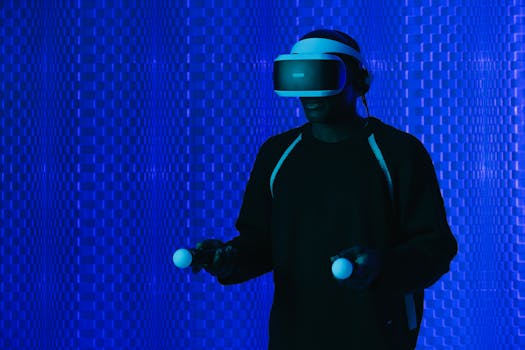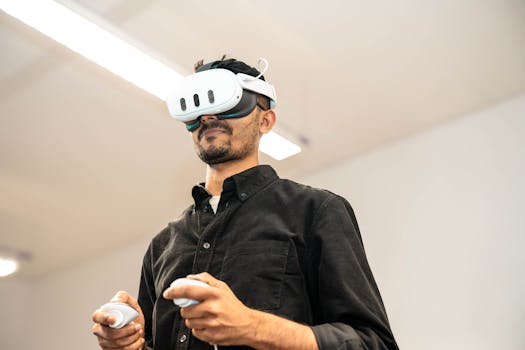
As technology continues to evolve, the integration of 4D visualization into virtual reality (VR) and augmented reality (AR) is heralding a new era of digital interaction and perception. This advanced technology, which incorporates the dimension of time into three-dimensional settings, offers transformative possibilities across various sectors.
What is 4D Visualization?
4D visualization is an innovative approach in VR and AR that introduces the element of time to three-dimensional environments. This means that users can observe and interact with a virtual environment as it changes over time. It’s a step beyond static 3D models, providing a dynamic experience where the scenes evolve in response to user interactions or pre-set timelines.
.png)
Applications of 4D Visualization
Entertainment
In entertainment, 4D visualization elevates the immersive experience of VR and AR. Users can step into interactive narratives where they can move through time within the storyline, experiencing different scenarios and outcomes based on their actions. For instance, in a VR game, players might witness the environment changing from day to night or experience seasonal transformations that affect gameplay.
Education
Educational platforms benefit significantly from 4D visualization by offering students interactive and engaging learning experiences. This technology can simulate historical events, scientific processes, or ecological changes over time, providing students with a deeper understanding of the content that is both informative and engaging.
Manufacturing
In manufacturing, 4D visualization enhances the planning and assembly processes. Companies can use VR or AR to simulate the assembly line for a new product over time, allowing them to identify potential issues and inefficiencies before actual production begins. This proactive approach can save considerable resources and improve product quality.
Healthcare
The healthcare industry utilizes 4D visualization for both training and planning purposes. Surgeons can simulate complex surgical procedures beforehand, providing a clear understanding of the task at hand and foreseeing potential challenges. Additionally, this technology can be used to explain procedures to patients, helping them understand their treatment plans better.
Challenges and Future Prospects
Despite its potential, the deployment of 4D visualization technology faces several challenges. The primary concern is the computational power required to process and render these complex simulations in real-time. As the technology demands grow, so does the need for advanced hardware and software capable of supporting these systems.
Moreover, ensuring the accessibility of this technology is crucial for widespread adoption. As VR and AR devices become more user-friendly and economically viable, the development of accessible 4D visualization tools must keep pace, ensuring that all users can benefit from these advancements.
Conclusion
The future of 4D visualization in VR and AR looks promising, with potential applications that could revolutionize how we interact with digital content. As technology progresses, the boundaries between the virtual and real world continue to blur, offering experiences that are more immersive and realistic. Whether it’s transforming how we play, learn, create, or heal, 4D visualization stands poised to enrich our digital engagements, making them more meaningful and impactful.