The advent of 3D modeling in industrial design marks a significant technological shift, redefining traditional design processes and offering a multitude of advantages that streamline and enhance the entire product development cycle. From improving precision to fostering innovation, 3D modeling tools have become indispensable in the field of industrial design.
Enhanced Design Accuracy and Precision
One of the most significant impacts of 3D modeling is the increased accuracy it brings to the design process. Unlike traditional 2D sketches, 3D models provide a comprehensive visual of the product from every conceivable angle. This holistic view eliminates the ambiguities and misinterpretations often associated with flat drawings, ensuring that all parts fit together seamlessly. Such precision is crucial in industries like automotive and aerospace, where the margin for error is minimal.
.png)
Facilitation of Rapid Prototyping
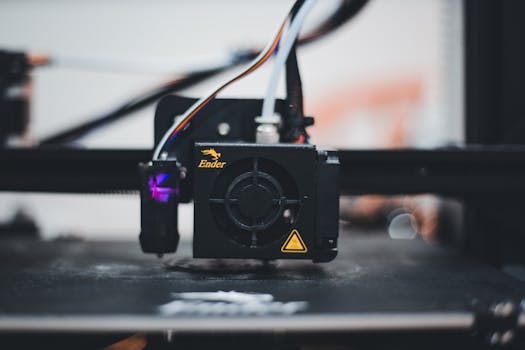
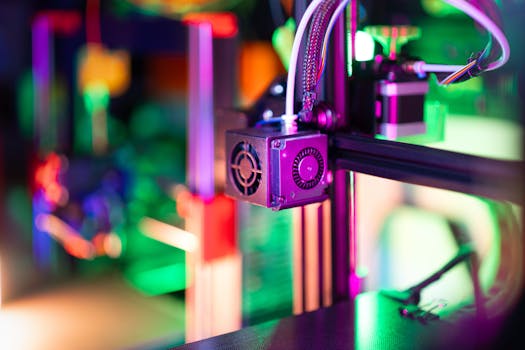
3D modeling accelerates the prototyping phase, allowing for quick iterations that are both cost-effective and time-efficient. This capability is particularly valuable in today's competitive market landscape, where speed to market can be a critical determinant of success. Rapid prototyping not only reduces the time and resources spent on physical models but also allows designers to experiment freely with designs, testing functionality and user interaction without the constraints of traditional manufacturing processes.
Boosting Creativity and Innovation
The flexibility offered by 3D modeling software encourages creative risks, enabling designers to explore complex forms and structures that would be too costly or impossible to replicate using traditional methods. The ability to simulate and modify the physical properties of materials within the software further enhances this experimental approach, leading to innovative solutions and groundbreaking product designs.
Improving Client Communication and Marketing
3D modeling transforms how designers present their concepts to clients and stakeholders. High-quality renders and animations provide a realistic preview of the final product, improving comprehension and engagement. These visual tools are not only effective for presentations but also serve as excellent marketing materials, helping to generate excitement and anticipation before the product even hits the market.
Reducing Environmental Impact
The shift towards digital prototyping significantly lessens the environmental footprint of product development. By minimizing the need for multiple physical prototypes, 3D modeling conserves materials and reduces waste. Furthermore, the precision of digital tests decreases the likelihood of errors in the production phase, leading to more efficient manufacturing practices and sustainable product solutions.
Conclusion
The role of 3D modeling in industrial design is transformative and expanding. As technology advances, its capabilities continue to evolve, offering even more sophisticated tools for designers to bring their visionary ideas to life. For businesses in the industrial sector, investing in 3D modeling technology is not merely an enhancement of their design capabilities—it is an essential strategy for innovation, efficiency, and competitiveness in a rapidly evolving market. By embracing these advanced tools, designers and companies can not only improve their product offerings but also drive progress in design methodology itself.