The automotive industry is experiencing a significant transformation driven by the integration of 3D modeling technologies. This advancement is reshaping the way vehicles are designed, manufactured, and even maintained, leading to more efficient production processes, enhanced customization options, and improved quality of vehicles.
What is 3D Modeling?
3D modeling involves using computer software to create a mathematical representation of a three-dimensional object. In the automotive industry, this technology is crucial during the design phase, enabling engineers and designers to construct detailed, scalable models of vehicles before physical manufacturing commences.
.png)
Benefits of 3D Modeling in Automotive Design and Manufacturing
- Streamlined Design Process:
Traditionally, vehicle design required the creation of multiple physical prototypes, each demanding significant time and resources. 3D modeling allows for rapid generation of various design iterations with minimal effort, accelerating the design process and reducing costs.
- Enhanced Customization:
As consumer demand for personalized vehicles increases, 3D modeling enables manufacturers to easily tweak designs to meet individual preferences without extensive retooling. This is especially beneficial in the luxury and sports car markets, where customization is a key selling point.
- Improved Testing and Simulation:
3D modeling allows engineers to simulate a vehicle's performance under different conditions without the need for physical prototypes. This includes testing for safety, durability, and fuel efficiency, providing a cost-effective method for predicting real-world vehicle behavior.
- Efficient Manufacturing:
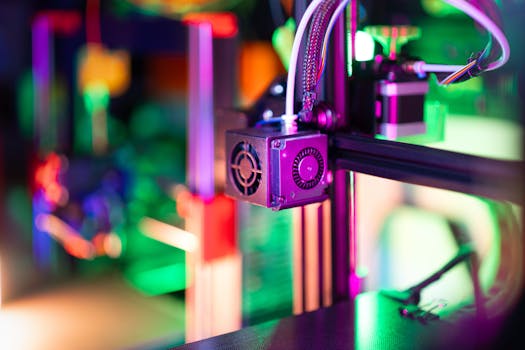
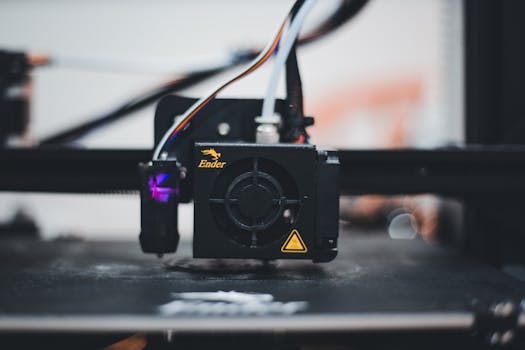
With 3D printing, components can be fabricated directly from digital models, allowing for more intricate designs and the use of lighter, more durable materials. This not only enhances vehicle performance and efficiency but also supports sustainability by reducing fuel consumption.
- Maintenance and Repair Advantages:
Detailed 3D diagrams aid technicians in understanding complex vehicle systems, facilitating quicker and more precise repairs. Additionally, 3D printing supports the on-demand production of replacement parts, which is invaluable for maintaining older or out-of-production vehicle models.
- Global Collaboration:
3D modeling enables design teams in different locations to collaborate effectively on the same model, share insights, and make real-time adjustments, optimizing the product for various markets.
Challenges and Considerations
Despite its many benefits, the shift towards 3D modeling in the automotive industry is not without challenges. The cost of 3D modeling software and the training required to use it effectively can be prohibitive, particularly for smaller manufacturers. Additionally, as vehicles increasingly rely on digital components, cybersecurity becomes a paramount concern, necessitating robust protections against the theft or tampering of digital designs.
Conclusion
The role of 3D modeling in revolutionizing the automotive industry is clear. It not only streamlines the design and manufacturing processes but also enhances vehicle testing, maintenance, and customization. As this technology continues to evolve, it promises to bring even more innovative applications to the automotive sector, further driving the future of vehicle manufacturing and establishing new standards of efficiency and quality.