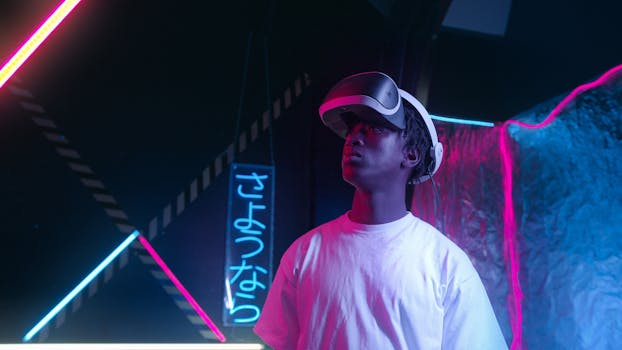
Creating realistic environments in digital animation is a multifaceted process that combines artistic vision with high-tech tools to craft scenes that are virtually indistinguishable from the real world. This guide delves into the meticulous steps involved in this process, shedding light on the sophisticated techniques and technologies that bring animated worlds to life.
Conceptualization: The Foundation of Realism
At the heart of creating a realistic digital environment is the conceptualization phase. During this initial stage, animators and artists collaborate to define the vision of the project. They engage in brainstorming sessions, create mood boards, and conduct field research to capture the essence of real-world environments. This groundwork is crucial as it informs the authenticity and emotional tone of the animated scene.
.png)
Modeling: Crafting the Digital Terrain
The transition from concept to a tangible form begins with modeling. Utilizing advanced software tools such as Autodesk Maya, Blender, or Cinema 4D, animators sculpt detailed 3D models of the landscape and architectural elements. The precision in this step is vital, as the accuracy of these models sets the stage for the ensuing layers of realism through texturing and lighting.
Texturing: Adding Depth and Detail
Texturing is what breathes life into the 3D models. By applying high-resolution images, animators simulate the appearance of various materials like dirt, water, rocks, and foliage. Techniques such as bump mapping and displacement mapping are employed to enhance the textures with realistic depth and intricacies, making them appear more lifelike.
Lighting: The Play of Shadows and Light
Lighting plays a pivotal role in the perception of realism in digital environments. It not only affects how colors and textures are viewed but also sets the overall mood of the scene. Animators use a variety of lighting techniques to mimic natural lighting conditions or to create specific atmospheric effects, always considering how light interacts with the environment to enhance realism.
Rendering: The Final Synthesis
Rendering is the process where all the elements of modeling, texturing, and lighting are amalgamated to produce the final visual output. This stage is computationally intensive, often requiring high-performance computing resources or render farms. During rendering, the software calculates light reflections, shadows, and interactions within the environment, culminating in the vivid images that audiences see.
Animation and Effects: Bringing Scenes to Life
To achieve true realism, static scenes must be endowed with movement and life. This involves animating elements within the environment like rippling water, rustling leaves, and shifting shadows. Techniques such as simulations and particle systems are used to create these dynamic effects, adding a layer of authenticity to the animated environment.
Post-Production: The Final Touches
In post-production, the animated environment undergoes final enhancements. This stage may involve color correction, the integration of sound effects, and the blending of the animation with live-action footage. It’s a critical phase to ensure that the environment is not only visually convincing but also resonant with the viewers on an auditory and emotional level.
Creating realistic environments in digital animation is an intricate blend of art and technology. It requires a deep understanding of physical realities, artistic interpretation, and technical proficiency. As technology evolves, the boundaries of what can be achieved in digital animation expand, offering ever-more immersive and captivating visual experiences. For anyone fascinated by the creation of digital worlds, understanding these processes opens up a realm of possibilities in the art of animation.