Digital animation has fundamentally altered the landscape of visual media, offering new dimensions of creativity and expression in everything from cinematic blockbusters to interactive video games. Its impact on aesthetics is particularly significant, transforming not only how stories are told but also how they are visually conceived and received by audiences.
Technological Foundations and Artistic Innovations
At its core, digital animation involves the use of computer technologies to create animated scenes. This method diverges from traditional animation's frame-by-frame approach, embracing instead the use of 3D modeling and computer-generated imagery (CGI). This shift has enabled animators to achieve higher levels of detail and realism, which were once impossible. Films like "Toy Story" or "Frozen" exemplify how digital techniques can create complex, believable characters and settings that resonate with audiences.
.png)
Detail and Realism in Texture and Environment
One of the most striking aspects of digital animation is its ability to produce detailed and realistic textures. This capacity for high fidelity visualization enables the creation of rich, immersive worlds that captivate viewers, enhancing the narrative and emotional engagement. The tactile quality of scenes in "How to Train Your Dragon" where audiences can almost feel the scales of the dragons, exemplifies this capability, making the fantastical elements more tangible and believable.
Lighting and Shading
Lighting and shading in digital animation do more than illuminate; they sculpt characters and environments, enhancing mood and emphasizing emotional undertones. Advanced rendering techniques allow animators to manipulate light and shadows with great precision, thereby adding depth and dimensionality to the visual narrative. The dramatic interplay of light and darkness in "Moana" demonstrates how these elements can be used to create a specific atmosphere or highlight critical moments in the story.
Dynamics of Movement
The fluidity and complexity of movement achievable in digital animation are unparalleled. By simulating real-world physics, digital tools help animators create movements that are both more dynamic and more precise. This is particularly evident in action sequences, where the choreography can achieve a level of intensity and excitement that traditional animation would struggle to match. The seamless action scenes in "Big Hero 6" showcase how digitally animated movements can enhance the visual impact and drive the narrative forward.
Color and Emotional Expression
Color in digital animation is not just about aesthetics; it's a powerful storytelling tool. With digital tools, animators can choose from an almost infinite spectrum of colors to evoke specific emotions, set the tone of the scene, or guide the viewer's attention. The strategic use of vibrant colors in "Inside Out" effectively mirrors the film's emotional landscape, helping to communicate complex psychological states in a visually engaging way.
Stylistic Diversity and Expression
Digital animation is not confined to realism; it offers a spectrum of stylistic possibilities, from the hyper-realistic to the abstract. Animators can experiment with different visual styles to better express unique stories or themes. The distinct, stylized look of "Spider-Man: Into the Spider-Verse", which mimics the aesthetic of a comic book, is a prime example of how digital animation can adapt and innovate visually to enhance storytelling.
Future Directions: VR and AR
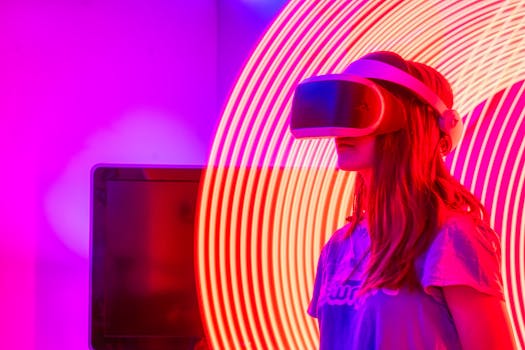
Looking forward, the integration of digital animation with technologies like virtual reality (VR) and augmented reality (AR) promises to redefine the boundaries of the medium. These technologies offer immersive experiences that allow viewers to interact with animated worlds in new and exciting ways. As VR and AR continue to develop, the role of digital animation in creating engaging, interactive narratives is likely to grow, pushing the boundaries of both technology and artistry.
Conclusion
Digital animation merges artistic vision with cutting-edge technology to create engaging, immersive, and emotionally resonant experiences. Its evolution continues to influence a broad range of visual media, pushing the boundaries of what is visually and narratively possible. As technology advances, the future of digital animation holds limitless potential for aesthetic innovation and deeper, more interactive storytelling.