Digital animation has indeed ushered in a transformative era in modern art, blending cutting-edge technology with boundless creative expression. This integration has not only expanded the horizons of artistic creation but has also reshaped the way art is perceived and engaged with globally.
Historical Context and Evolution
The journey of digital animation in art began with pioneering efforts in computer graphics during the 1960s and 1970s. Early artists like John Whitney and Lillian Schwartz exploited the nascent technology to produce works that broke away from traditional artistic media. However, it was the significant advancements in digital technology towards the end of the 20th century that truly catalyzed the integration of digital animation into the art world.
.png)
Artistic Possibilities and Techniques
Modern digital animation offers artists a plethora of tools such as 3D modeling, motion capture, and sophisticated rendering techniques. These tools empower artists to create intricate, lifelike animations that blend the real with the surreal, often creating a hybrid reality that challenges conventional perceptions. The ability to simulate detailed environments and realistic textures allows artists to construct visual narratives that are both immersive and visually captivating.
Democratization and Accessibility
One of the most significant impacts of digital animation is its role in democratizing art creation and consumption. Advanced yet affordable software solutions have lowered entry barriers for aspiring animators, fostering a diverse community of artists. This inclusivity has enriched the art world with a variety of styles and narratives, reflecting a broader spectrum of cultural and personal experiences.
New Platforms for Exhibition and Distribution
The rise of digital platforms has transformed the way animated art is distributed and consumed. Social media, online galleries, and virtual exhibitions not only provide artists with the tools to share their work with a global audience but also allow viewers from around the world to experience art beyond physical gallery spaces. This digital accessibility is pivotal in promoting a universal and inclusive culture of art appreciation.
Interdisciplinary Fusion and Future Directions
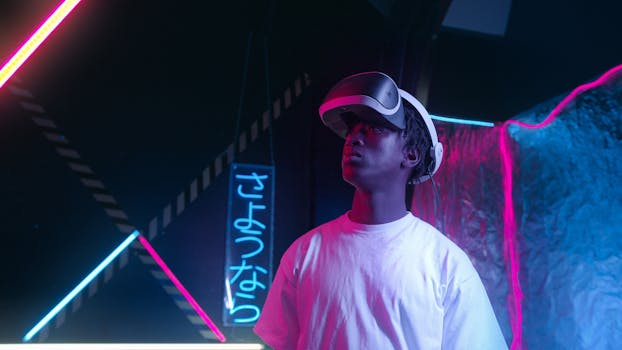
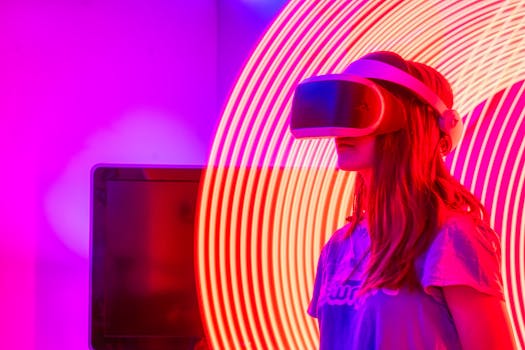
Looking forward, the potential for digital animation in art is boundless. Emerging technologies like virtual reality (VR) and artificial intelligence (AI) are set to further revolutionize the field, offering artists unprecedented ways to craft and manipulate digital environments. The ongoing fusion of digital animation with other artistic disciplines broadens the definition of art and encourages a holistic appreciation of creative expression.
Conclusion
Digital animation has indelibly changed the landscape of modern art, introducing dynamic new forms and methods of artistic expression. It has not only redefined traditional artistic boundaries but has also enhanced the way art is created, viewed, and understood. As this exciting field continues to evolve, it promises to keep pushing the limits of creativity and technology, forever altering our cultural and aesthetic landscapes.
This new era of digital animation in modern art highlights a pivotal shift towards a more inclusive, innovative, and interconnected artistic community, poised to redefine the future of art in the digital age.