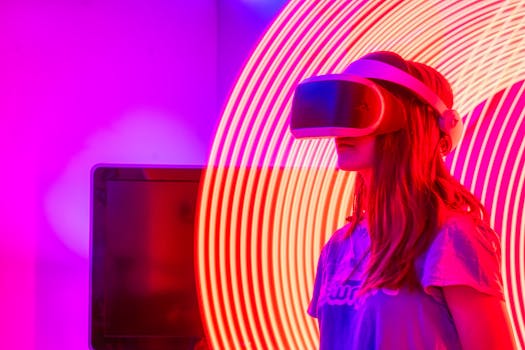
Digital animation stands as a pioneering force in the realm of storytelling, harnessing technology to breathe life into the most imaginative narratives. Its versatility spans across industries, from cinematic blockbusters to interactive educational programs, showcasing a profound ability to both entertain and inform.
- Unbounded Creative Freedom
One of the most compelling attributes of digital animation is its sheer capacity for creativity. Traditional filmmaking, bound by the laws of physics and real-world logistics, pales in comparison to the expansive environments and fantastical elements that digital animation can effortlessly fabricate. This is particularly transformative in genres that thrive on the extraordinary, like science fiction and fantasy, where the only limit is the animator’s imagination.
- Enhanced Educational Value
Digital animation excels in distilling complex concepts into digestible, engaging visual formats. Educational animations can demystify intricate scientific theories or historical timelines, making them more accessible and easier to grasp for learners of all ages. This visual approach not only simplifies learning but also improves retention, proving especially beneficial in academic and training settings.
.png)
- Emotional Resonance
The emotional depth that digital animation can achieve is profound. Animated characters, though not human, can exhibit a spectrum of emotions, from the heights of joy to the depths of despair, making them relatable to the audience. This emotional connection is pivotal as it deepens viewers' investment in the narrative, enhancing the storytelling impact and leaving a lasting impression.
- Advanced Techniques and Technologies
The tools and techniques employed in digital animation are continually evolving, pushing the boundaries of what can be achieved. Techniques like 3D modeling create detailed and realistic characters and settings, while motion capture technology transfers human expressions and movements to animated characters, infusing them with lifelike qualities. CGI further enriches this toolkit, allowing for the creation of expansive, detailed worlds.
- Synergy with Sound and Music
Sound design and musical scores play integral roles in digital animation, accentuating the visual experience and reinforcing the emotional and narrative layers of the story. Effective soundscapes and thematic music cues enhance the sensory details of the animation, making scenes more impactful and emotionally charged.
- Challenges and Considerations
Despite its numerous advantages, digital animation requires significant resources, including time, technical skills, and financial investment. The complexity of creating detailed animations demands a blend of artistic talent and technical prowess, and the software and hardware involved represent a considerable investment.
- Broader Applications
Beyond its entertainment value, digital animation serves as a potent tool in marketing. Animated advertisements are particularly effective in capturing audience attention, presenting products in dynamic and memorable ways. This application demonstrates digital animation’s versatility and its ability to adapt to different contexts and objectives.
Conclusion
Digital animation is more than just a storytelling medium; it is a transformative tool that transcends traditional narrative techniques, offering storytellers unprecedented flexibility to explore, educate, and entertain. As technology advances, the scope and capability of digital animation are bound to expand, promising even more innovative and immersive storytelling possibilities in the future. This medium not only captures imaginations but also opens new horizons in various fields, making it an indispensable facet of modern media.