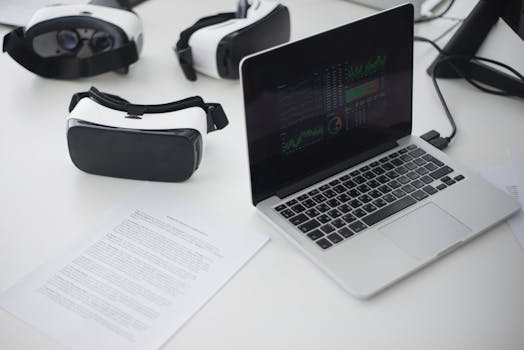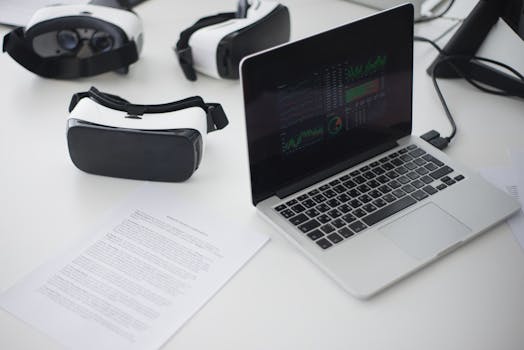
4D visualization stands at the forefront of technological innovation, offering a transformative approach to how we engage with and comprehend the world around us. By integrating the dimension of time with three-dimensional imagery, this technology enables a dynamic representation of changes and processes over time, enriching our analysis and understanding across various fields.
In the construction and architectural sectors, 4D visualization is proving to be a game-changer. It allows project managers, architects, and engineers to visualize the construction process before it begins, offering a timeline-based look at the building's development. This not only helps in optimizing the workflow but also assists in preemptive problem-solving, resource management, and scheduling. By foreseeing potential delays and conflicts, stakeholders can make informed decisions, reducing the risk of costly errors and ensuring project timelines are adhered to.
The medical field benefits immensely from 4D visualization technologies, particularly in diagnostics and treatment planning. Advanced imaging techniques such as 4D ultrasounds and MRIs provide dynamic views of internal body mechanics in motion, such as the beating heart or moving joints. These insights are invaluable for medical professionals, offering a deeper understanding of physiological behaviors and aiding in more accurate diagnoses and tailored treatments.
.png)
In environmental science, 4D visualization tools are essential for modeling and monitoring ecological changes. Whether it's observing the effects of climate change, assessing habitat degradation, or planning urban expansion, these tools provide a critical perspective on the temporal dynamics of natural and human-influenced systems. For example, scientists can use 4D GIS technology to project future environmental conditions and develop strategies that promote sustainability and mitigate adverse impacts.
The entertainment industry has also harnessed the power of 4D visualization to create more immersive and interactive experiences. From 4D cinema that incorporates physical effects like motion, smell, and temperature changes to virtual reality setups that simulate real-time environments, the technology is enhancing the way stories are told and experienced, making them more engaging and realistic.
However, the adoption and implementation of 4D visualization technology come with its set of challenges. The complexity of managing and processing voluminous data over time necessitates powerful computing solutions and advanced software capabilities. Moreover, there is a growing demand for professionals who are not only skilled in 3D modeling but are also adept at integrating and interpreting temporal data within these models.
As we look to the future, the scope of 4D visualization is only expected to grow, driven by continuous technological advancements and an increasing recognition of its value in real-world applications. The potential for more detailed, accurate, and predictive modeling promises to further revolutionize how we plan, analyze, and interact with dynamic systems across diverse sectors.
In summary, 4D visualization is not just an extension of 3D modeling but a significant evolution that adds profound depth and functionality to traditional visualization methods. Its impact spans multiple industries, enhancing everything from project management in construction to patient care in medicine, environmental conservation, and entertainment. As this technology continues to develop, its role in driving innovation and improving outcomes in various fields is set to be indispensable.