Unleashing Creativity with 3D Modeling in Art
3D modeling is transforming how artists conceive, create, and share their work. No longer confined to traditional methods like painting, sculpture, or drawing, artists are now exploring vast digital landscapes where the only limit is imagination. From interactive installations to hyper-realistic digital sculptures, 3D modeling opens doors to a universe of creative possibilities. This technology is not just a tool—it’s a medium in its own right, reshaping the art world and how audiences engage with creativity.
The Evolution of Artistic Expression through 3D Modeling
For centuries, artists have pushed the boundaries of expression with whatever tools were available: charcoal on cave walls, chisel and marble, paint on canvas. The arrival of 3D modeling marked a seismic shift, offering artists unprecedented control over form, perspective, and texture.
The first computer-generated 3D models appeared in the late 1960s, but the technology was expensive and inaccessible to most. Fast forward to 2024, and powerful 3D modeling software is now available to anyone with a laptop and an internet connection. Blender, for example, is a free, open-source platform with over 3 million downloads per year, making cutting-edge 3D art accessible to hobbyists and professionals alike.
.png)
With 3D modeling, artists can:
- Sculpt virtual clay that can be endlessly reshaped, resized, or retextured - Render hyper-realistic or surreal scenes impossible in the physical world - Animate static artwork, adding movement and narrative - Collaborate globally, sharing files and ideas in real-timeThis evolution has democratized art, allowing people from different backgrounds and geographies to express themselves and participate in global creative communities.
How 3D Modeling Expands the Artistic Toolkit
Traditional artists work with brushes, chisels, or pencils. 3D modelers, in contrast, use digital sculpting tools, procedural shaders, and physics engines. This expanded toolkit offers several key advantages:
1. Infinite Undo: Unlike traditional media, every step in 3D modeling is reversible. Artists can experiment fearlessly, knowing they can roll back any change. 2. Non-Destructive Editing: Layers, modifiers, and nodes allow artists to adjust their creations without permanently altering the original work. 3. Material and Lighting Simulations: 3D software can mimic the behavior of real-world materials (like glass, metal, or water) and lighting conditions, giving artists the power to visualize their work under any scenario. 4. Integration with Other Media: 3D models can be exported for use in animation, virtual reality, augmented reality, or even 3D printing.For example, the artist Refik Anadol has used 3D modeling and AI to create immersive installations that blend architecture, sound, and light, attracting audiences of over 1.5 million people worldwide.
Pushing the Boundaries: 3D Modeling and New Art Forms
3D modeling doesn’t just enhance traditional art—it enables entirely new genres. Digital sculpture, generative art, and interactive installations are flourishing thanks to the flexibility of 3D environments.
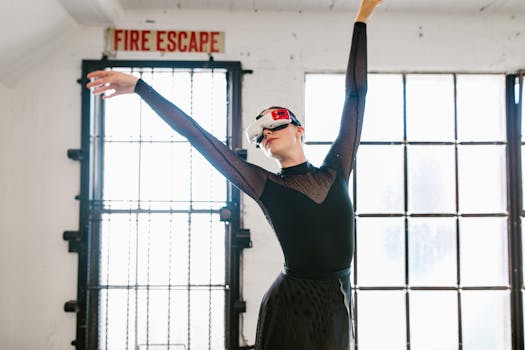
One of the most exciting frontiers is the creation of art for virtual and augmented reality. In 2023, the VR art platform Tilt Brush reported over 500,000 active users creating immersive 3D paintings. Artists can now invite viewers to step inside their works, exploring living, changing environments from within.
Generative art—where algorithms and code contribute to the creative process—has also found a natural home in 3D modeling. Artists use procedural modeling to generate complex structures, patterns, and textures that would be impossible or prohibitively time-consuming by hand.
3D modeling is also central to the booming world of digital collectibles and NFTs (non-fungible tokens). In 2022, the NFT art market surpassed $2.5 billion, with many top-selling pieces being 3D modeled assets, from animated sculptures to interactive avatars.
Making Art More Accessible and Collaborative
Perhaps one of the most profound impacts of 3D modeling is its power to make art more inclusive. Digital art studios, online tutorials, and collaborative platforms have removed many traditional barriers to entry. Aspiring artists no longer need expensive materials or dedicated studio space—they only need access to a computer.
Online communities like Sketchfab, which hosts over 4 million 3D models, enable artists to share their work, receive feedback, and collaborate on projects. Real-time collaboration tools, such as Adobe Substance 3D and Gravity Sketch, allow multiple artists to co-create in the same virtual space, regardless of physical location.
Additionally, 3D modeling enhances accessibility for people with disabilities. Tactile 3D prints can translate visual art into objects that can be experienced through touch, opening up new sensory experiences for visually impaired audiences.
Comparing Traditional and 3D Modeling in Art
To better understand how 3D modeling changes the landscape of artistic creativity, it helps to compare it against traditional methods. The table below outlines key differences and similarities:
| Aspect | Traditional Art | 3D Modeling Art |
|---|---|---|
| Materials | Physical (canvas, clay, stone) | Digital (software, virtual tools) |
| Cost | Variable, often high for materials | Mostly software/hardware; many free options |
| Editability | Limited; mistakes can be permanent | Unlimited undo/redo; non-destructive |
| Distribution | Physical galleries, prints | Online, VR/AR, digital marketplaces |
| Collaboration | In-person, local | Remote, real-time, global |
| Audience Reach | Local or regional | Global, potentially millions online |
| Interactivity | Minimal | High (animation, VR, AR) |
Real-World Examples: Artists Transforming with 3D Modeling
Many contemporary artists are redefining the possibilities of art through 3D modeling. Here are a few notable examples:
- Beeple (Mike Winkelmann): Beeple’s digital art, created with Cinema 4D, has fetched over $69 million at auction. His daily 3D renderings combine social commentary, surreal imagery, and technical mastery, inspiring a new generation of digital artists. - Joshua Harker: Known for his intricately detailed 3D printed sculptures, Harker uses modeling software to create forms that would be impossible to carve by hand. His work has been exhibited in over 30 countries. - Sougwen Chung: This artist blends 3D modeling, robotics, and performance art, collaborating with AI-driven machines to co-create immersive installations.These artists exemplify how 3D modeling is not just a tool, but a means to challenge artistic conventions and reach new audiences.
The Future: Where 3D Modeling and Art Intersect
The landscape of art is constantly evolving, and 3D modeling stands at the forefront of this transformation. Emerging technologies are making the integration between art and technology seamless:
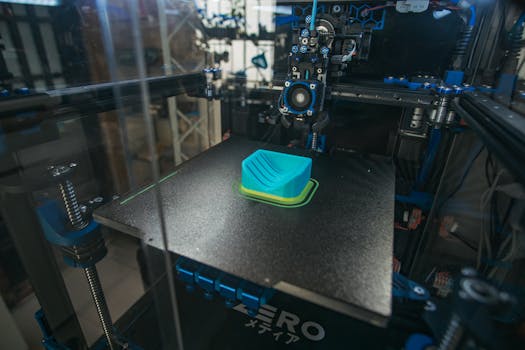
- Artificial Intelligence: AI-assisted 3D modeling tools can now suggest forms, textures, and compositions, acting as creative partners rather than mere instruments. - Augmented and Virtual Reality: As hardware becomes more affordable, more artists will embrace immersive experiences, allowing viewers to participate in, rather than merely observe, art. - 3D Printing: The global 3D printing market was valued at $17.4 billion in 2022 and is projected to reach $34.8 billion by 2026. This technology bridges the gap between digital creativity and physical reality, enabling artists to bring their virtual models into the tangible world. - Web3 and Blockchain: Secure digital ownership and decentralized art markets are giving artists more control over their work and revenue streams.As these trends converge, the possibilities for creative expression are virtually limitless.
Conclusion
3D modeling has revolutionized the art world, offering new tools, new spaces, and new ways to connect with audiences. By lowering barriers to entry, enabling global collaboration, and fostering entirely new art forms, 3D modeling is unleashing creativity on an unprecedented scale. Whether you are a seasoned artist looking to expand your toolkit or a newcomer eager to explore, the world of 3D modeling in art awaits—with boundless opportunities to imagine, create, and inspire.