4D visualization is emerging as a transformative technology across multiple fields, offering an innovative way to view the progression of events and processes over time. By extending traditional 3D visualization to incorporate the dimension of time, this technology provides a dynamic perspective that is proving invaluable in various industries.
Understanding 4D Visualization
4D visualization adds the element of time to three-dimensional representations, allowing for the simulation of changes and movements in a 3D space over a specified duration. This capability makes it an excellent tool for analyzing and understanding complex data and scenarios that change or evolve.
.png)
Key Applications of 4D Visualization
Construction and Architecture
In construction and architecture, 4D visualization helps project managers and engineers plan out construction activities with precision. It enables the visualization of building processes over time, helping teams anticipate potential issues and adjust plans proactively. This proactive planning can lead to more efficient resource management and potentially lower project costs.
Healthcare
The healthcare industry benefits significantly from 4D visualization, especially through advanced imaging techniques like 4D ultrasounds. These allow medical professionals to observe organs and systems in motion, providing insights that are not possible with static 3D images. Such dynamic imaging is crucial for diagnoses and treatment planning in cardiology, prenatal care, and other fields requiring detailed internal views.
Entertainment
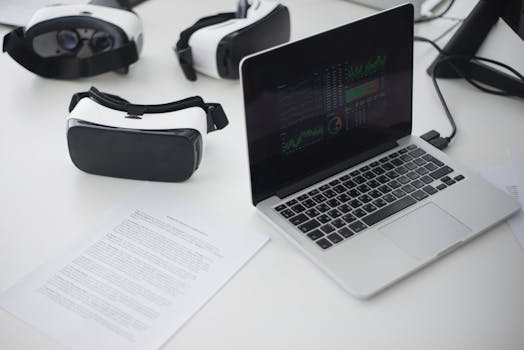
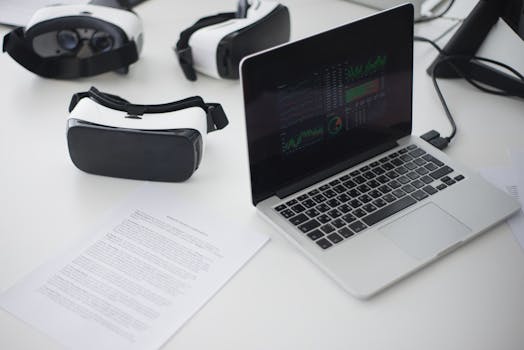
In entertainment, particularly in VR and AR, 4D visualization creates more engaging and immersive experiences. By adding temporal changes to 3D environments, users can experience realistic simulations and interactive storytelling that react and evolve based on user interactions or predefined triggers.
Challenges and Solutions
Despite its benefits, 4D visualization poses challenges, primarily related to the handling of extensive data over time and the computational demands of processing this data. To address these issues, advancements in software and hardware are continually being made. Developers are focusing on creating more efficient data processing algorithms, and there is a push towards enhancing the capabilities of hardware to handle complex simulations.
Future Prospects
The future of 4D visualization looks promising as its potential applications expand. One exciting possibility is in disaster management, where real-time 4D visualizations of weather patterns, flood simulations, or other emergency scenarios could drastically improve response strategies and effectiveness. Additionally, as the technology becomes more widespread and accessible, its adoption in educational tools, complex system analyses, and even sports and fitness strategies will continue to grow.
Conclusion
4D visualization is more than just a technological innovation; it is a tool that enhances understanding, improves efficiency, and opens up new possibilities across various fields. As we continue to explore its potential, we can anticipate not only advancements in how we interact with data-rich environments but also significant improvements in how we plan, predict, and respond to the world around us.